Website preview   ✦   The cat community is being prepared
←   Back to cat care
Understanding our cats

Cat body language.

From a friendly tail to kneading a blanket, cats have many ways of communicating. Explore their little habits and what they might mean.

Look at the whole cat and the situation: no single sign tells you everything. These are AI-generated illustrations, not photographs or a diagnostic guide.
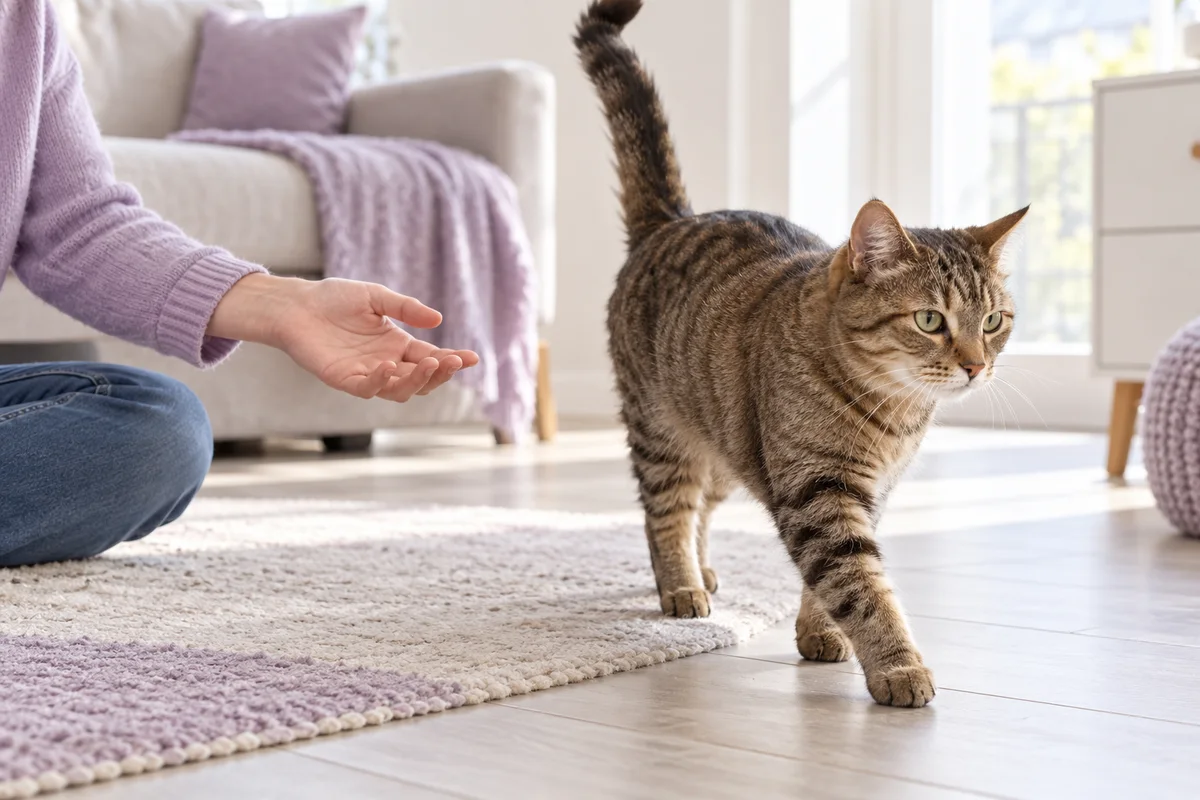
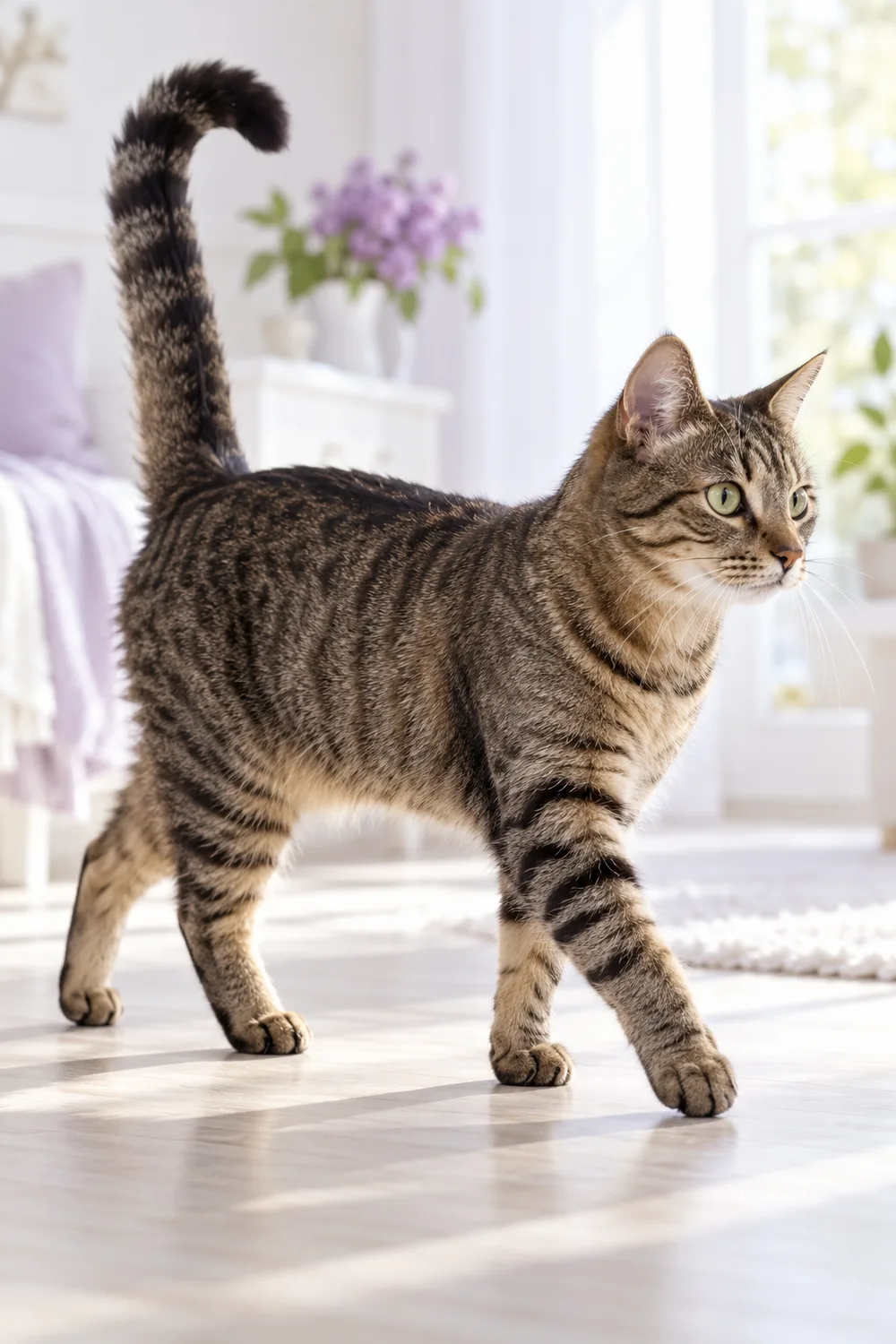
An imagined illustration of a tabby cat walking with its tail raised

✦   Tails & ears

The friendly hello

What does a raised tail mean?

A relaxed tail held upright, sometimes with a little curve at the end, can be a friendly greeting. Look for a relaxed body and ears as well.

What about a flicking tail or ears back?

A rapidly swishing tail or ears held to the side or back can mean a cat is uncomfortable, worried or frustrated. Give them space and let them choose whether to approach.

Read more from PDSA ↗
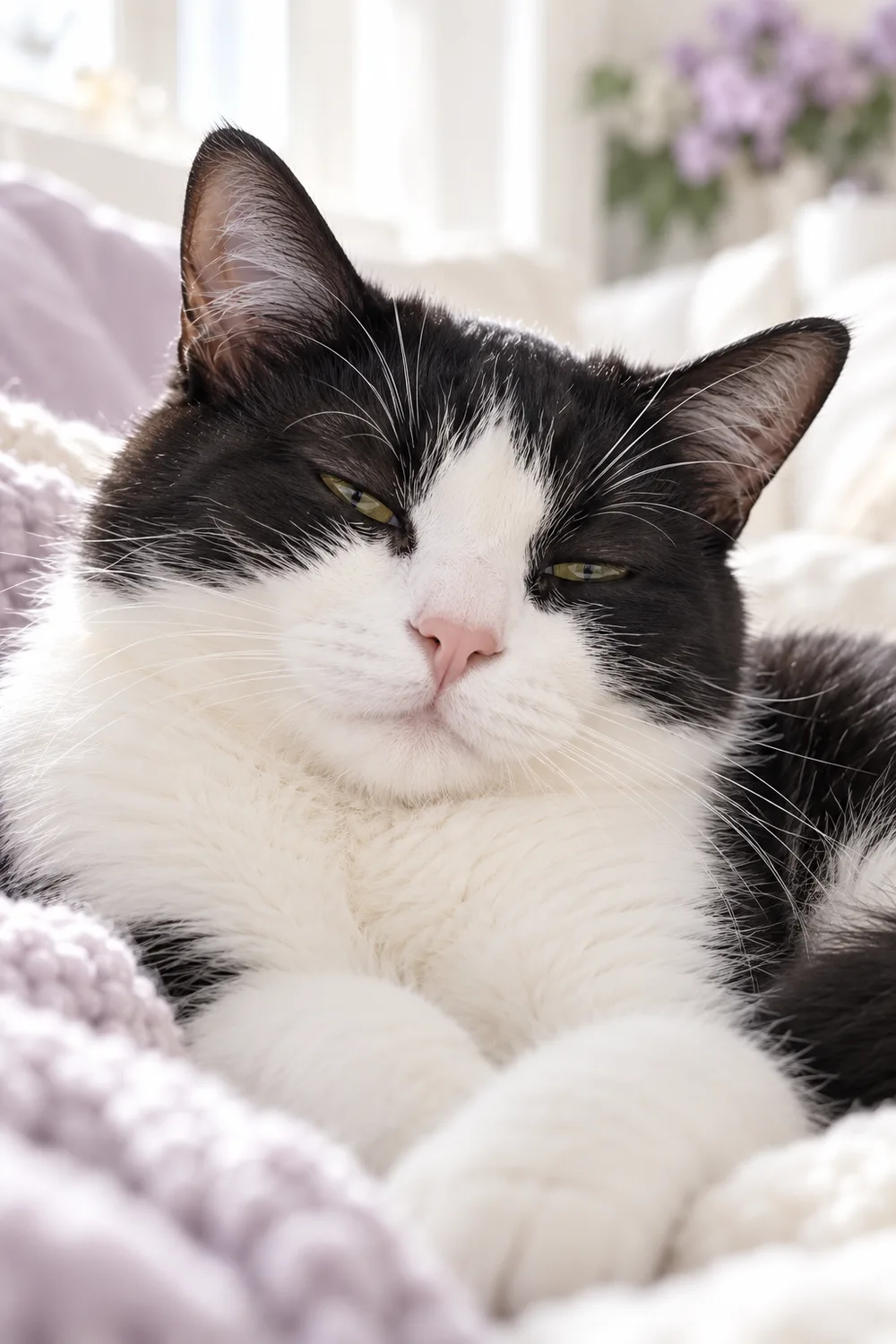
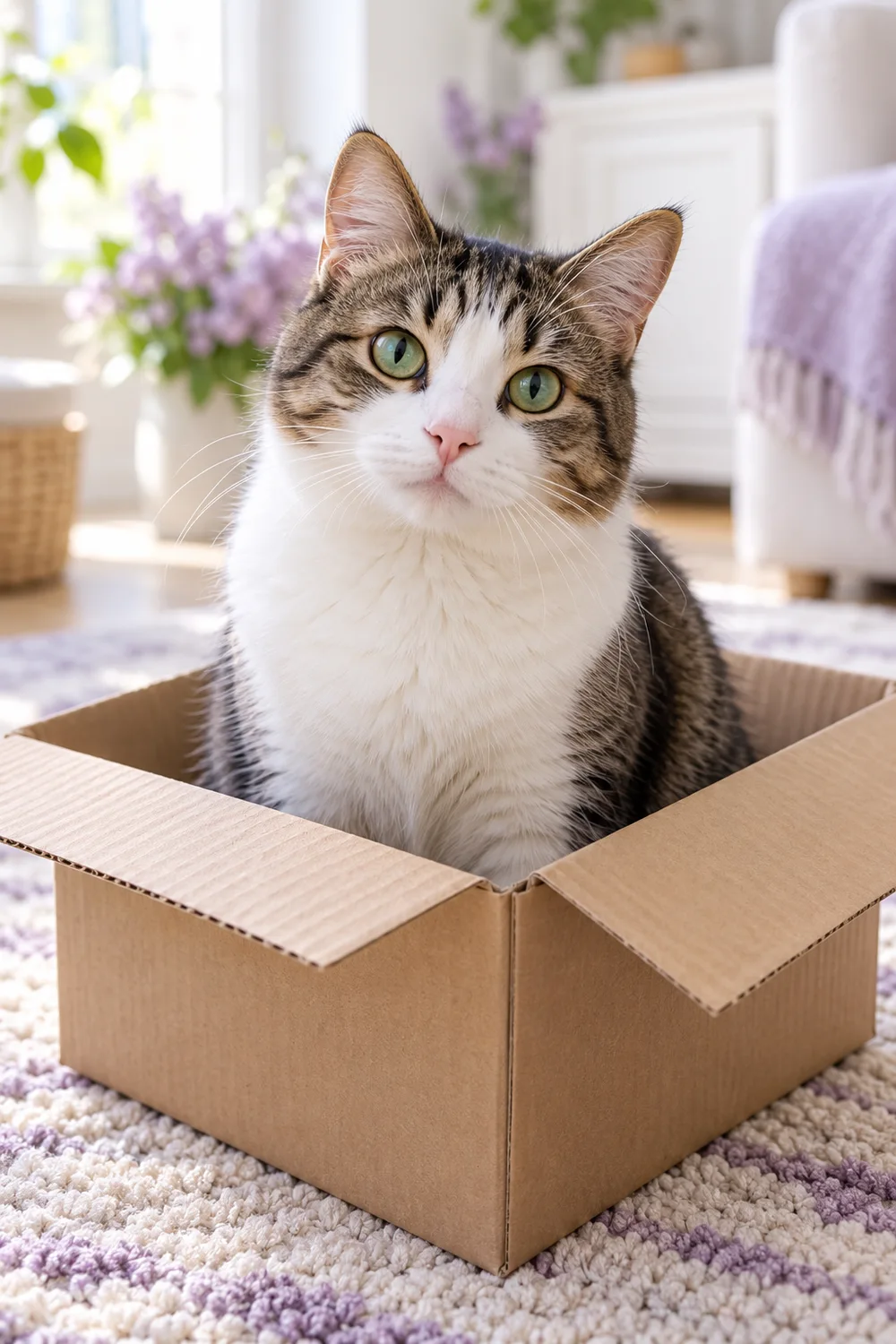
An imagined illustration of a cat resting in an open cardboard box

✦   Space & comfort

When cats need space

Why do cats hide?

A quiet hiding place can help a cat feel secure. Let them come out in their own time. New or more frequent hiding can also be a sign of stress or illness, so ask your vet for advice.

Does showing their tummy mean they want a rub?

Not necessarily! A cat may feel relaxed enough to roll over without wanting their belly touched. Let them set the pace and watch for signs they have had enough.

Read more about hiding ↗
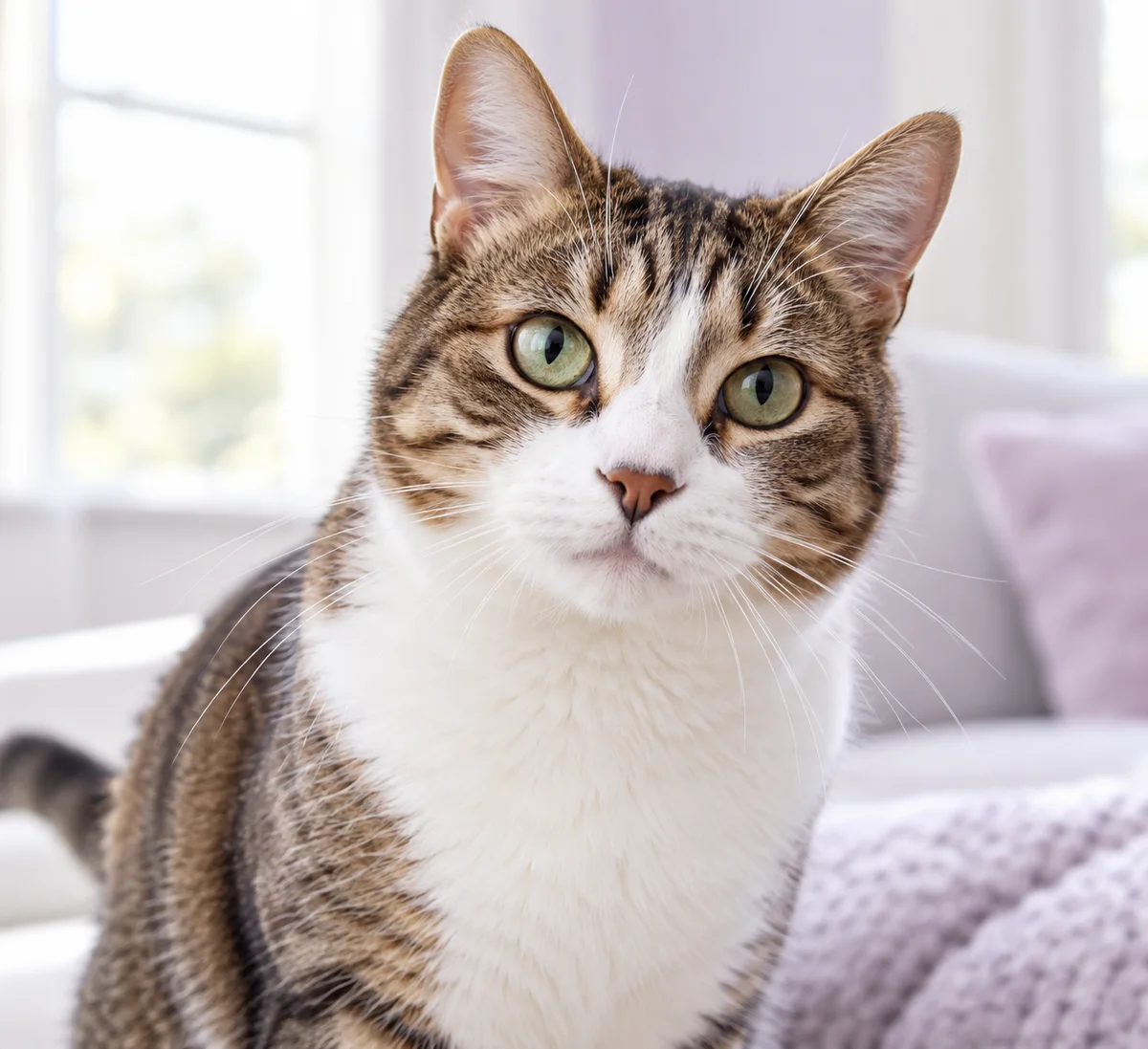
An imagined illustration of a curious tabby cat with upright ears and visible whiskers

✦   Ears, eyes & whiskers

Little clues to notice

What are my cat’s ears telling me?

Ears pointing forward can show interest, while ears turned sideways or back can be a sign of unease. Notice their posture too, and give them space if they seem uncomfortable.

Why are their pupils large?

Eyes change with light and can look wide during play, excitement or fear. The surroundings and the rest of their body matter. If an eye suddenly looks different or uncomfortable, ask your vet.

And their whiskers?

Relaxed whiskers may sit softly to the sides; whiskers can move forward when a cat is interested. Treat these as clues, not a diagnosis.

Read more about body language ↗
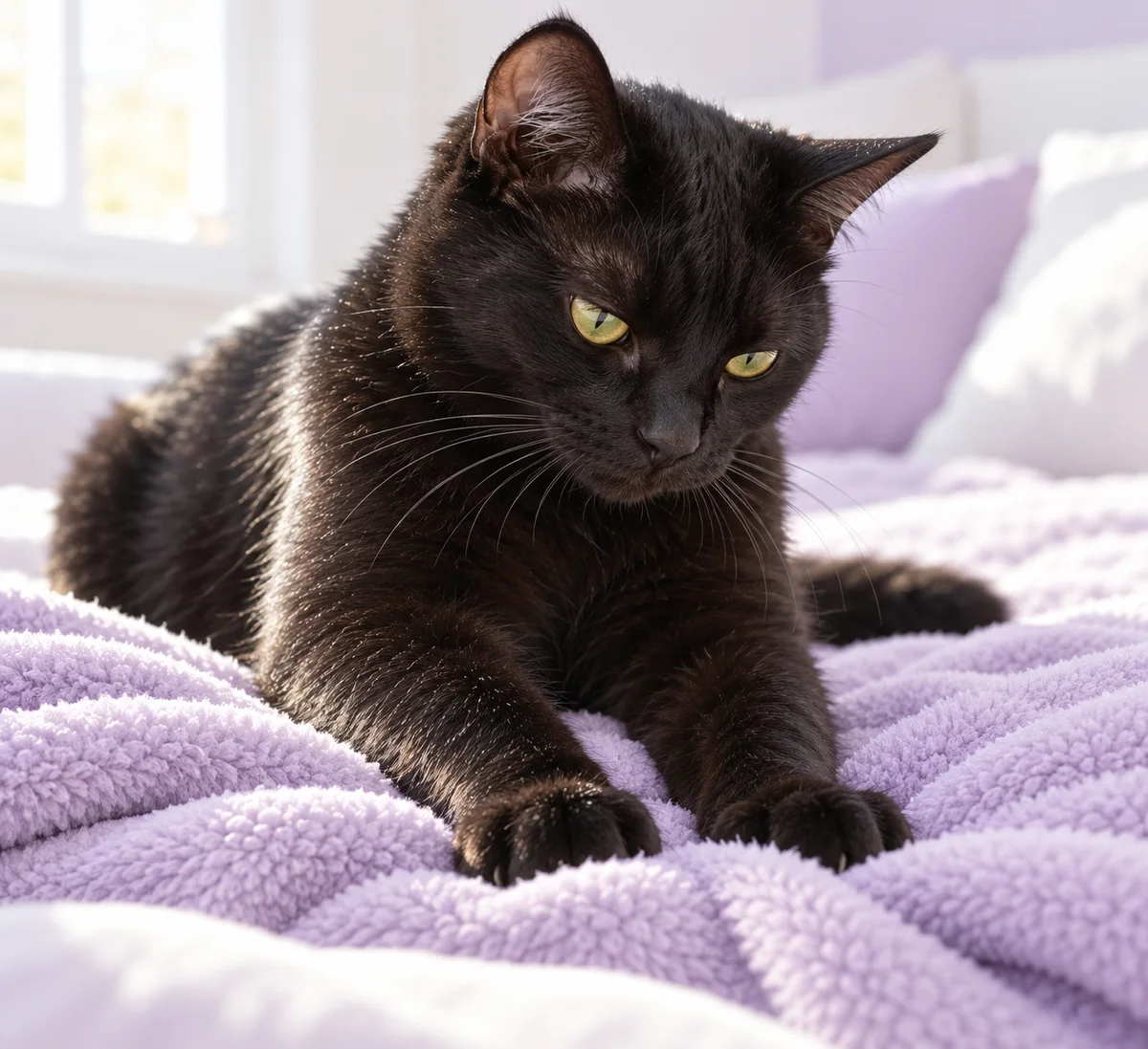
An imagined illustration of a black cat kneading a soft blanket

✦   Making biscuits

Those busy little paws

Why does my cat knead?

Kneading is the gentle, repeated pushing of their front paws into a soft surface. Kittens knead while feeding, and some cats continue the habit as adults, often when they are relaxed.

What if their claws are sharp?

Try placing a folded blanket between your lap and your cat, so they can enjoy their cosy moment. If you need help with claw care, ask your vet.

Read more about kneading ↗
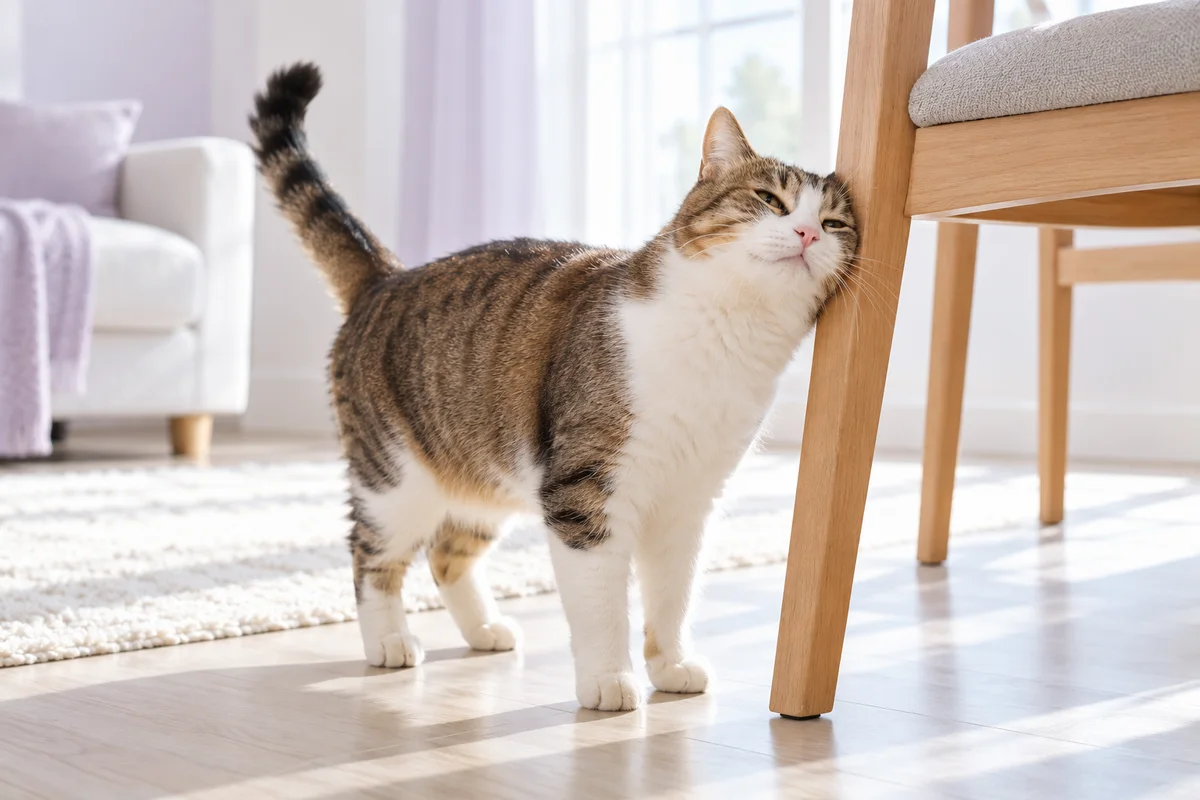
An imagined illustration of a cat rubbing its cheek against a chair

✦   Cheek rubs & greetings

A friendly head rub

Why do cats rub against things?

Cats have scent glands around their face. Rubbing furniture can leave a familiar scent, while rubbing against a trusted person can also be a friendly greeting.

Should I ever be concerned?

Rubbing is usually normal, but if it is new, excessive or your cat seems uncomfortable, contact your vet to check for a possible health problem.

Read more about rubbing ↗
An imagined illustration of a cat moving away from an outstretched hand

✦   Respecting their space

When they have had enough

Why might a cat hiss?

Hissing can be a warning that a cat feels threatened or uncomfortable. Give them room and somewhere to retreat; don’t punish them. If it is unusual or happens when touched, speak to your vet.

Why might they bite during a fuss?

Some cats enjoy only a short stroke or dislike being touched in certain places. Stop and give them space if they turn away, tense or try to bite. A new change can also be worth checking with your vet.

More about hissing ↗ Petting a cat ↗
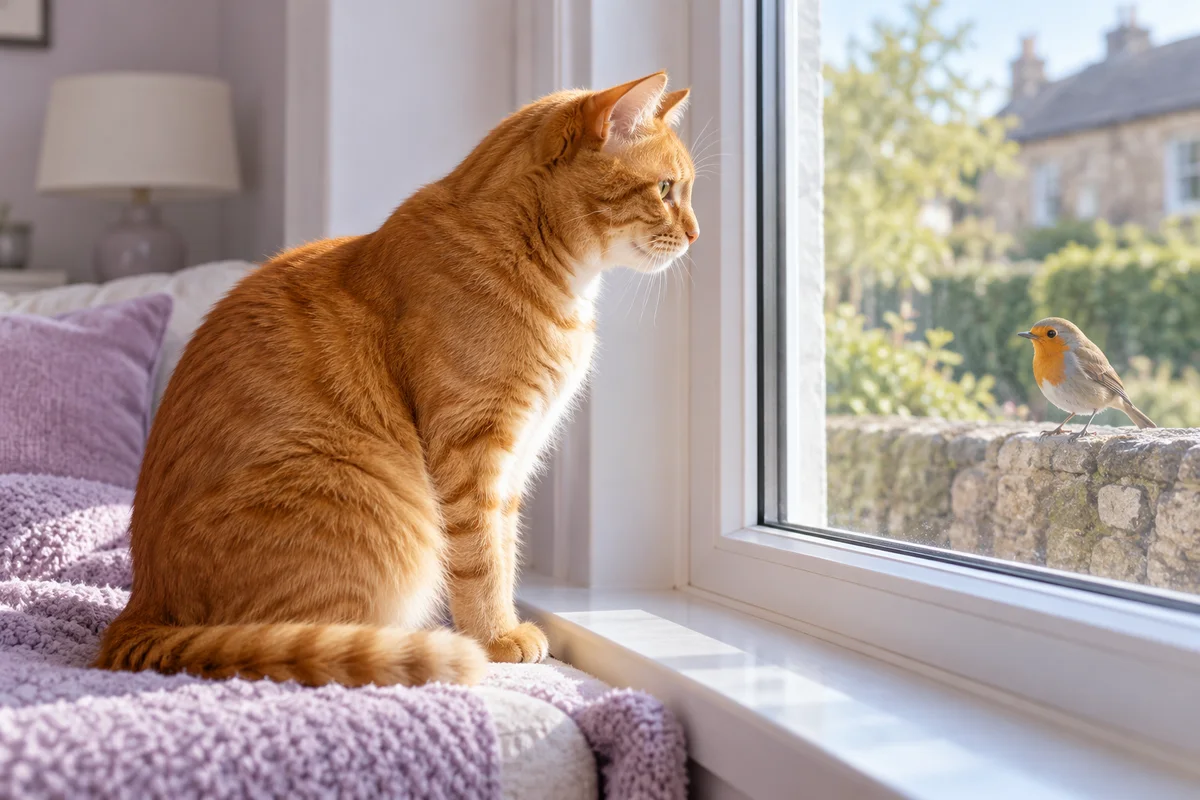
An imagined illustration of a cat looking out through a closed window

✦   Curious moments

Chattering and zoomies

Why does my cat chatter at birds?

Some cats make little chattering noises while watching birds. The exact reason isn’t certain; excitement or frustration may play a part. A short toy game can give them a safe outlet.

Why do they suddenly run around?

Occasional bursts of energy, often called zoomies, can be normal. Regular short play sessions can help. If activity changes suddenly or your cat seems distressed, ask your vet.

More about chattering ↗ More about zoomies ↗
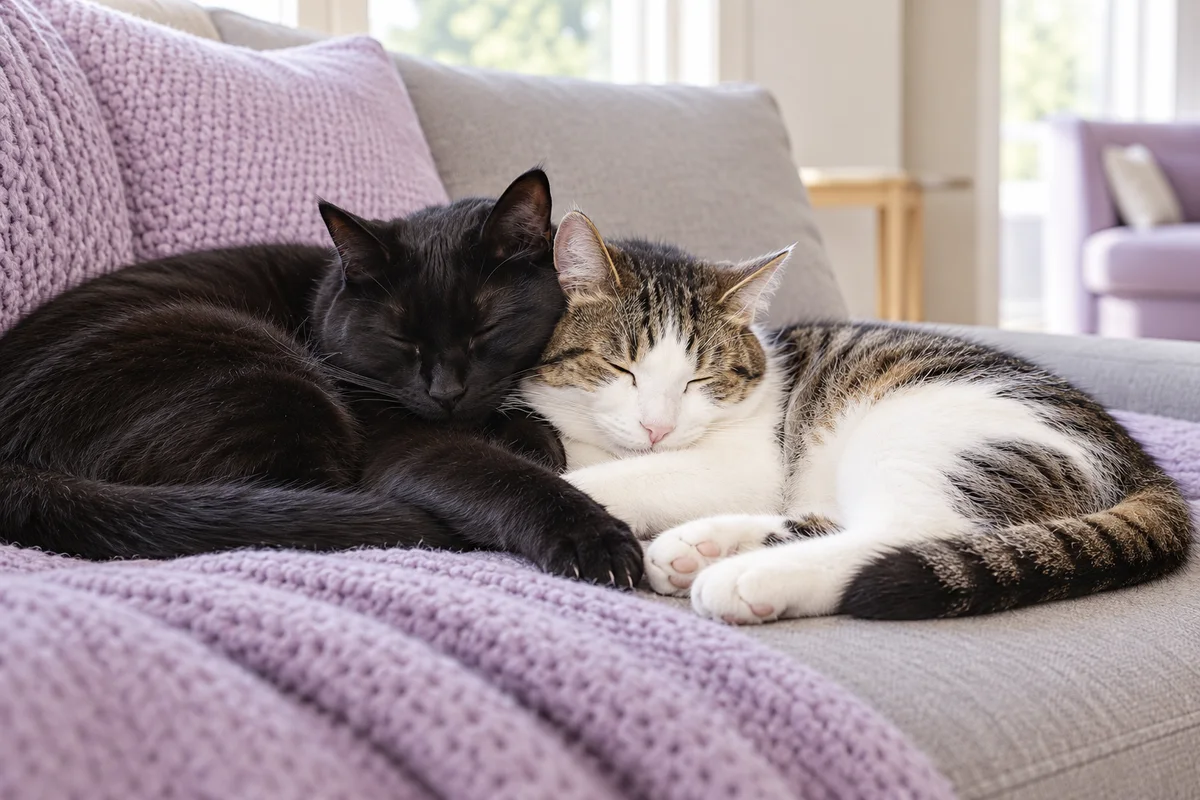
An imagined illustration of two cats resting peacefully together

✦   Companionship & comfort

Reading their habits

How can I tell if my cats are friends?

Cats who choose to sleep touching, groom or rub against each other may have a close bond. They still need their own food, water and quiet places; not every cat wants a companion.

What if my cat grooms too much?

New or excessive licking, bald patches or sore skin may have a medical cause or be linked to stress. Ask your vet to check before assuming it is simply a habit.

More about cats together ↗ Grooming advice ↗

Getting to know your cat

Cosmo and Dusty have very different personalities, and your cat will have their own habits too. Changes from what is normal for them can be more useful to notice than any single gesture.

Why is my cat meowing more?

Cats make different sounds for different reasons, including to greet us or ask for something. If their usual sound or how often they meow changes, ask your vet to check for a health problem. More about meowing ↗

Why are they lively early in the morning?

Cats are often naturally active around dawn and dusk. Safe toys and short play sessions can give them things to do. A sudden change in activity or sleep is worth discussing with your vet. More about cats at night ↗

If your cat’s behaviour changes suddenly, or you think they may be unwell or in pain, contact your vet. You can also explore the everyday care guide.

Information from Cats Protection and PDSA. General information does not replace advice from your vet.